
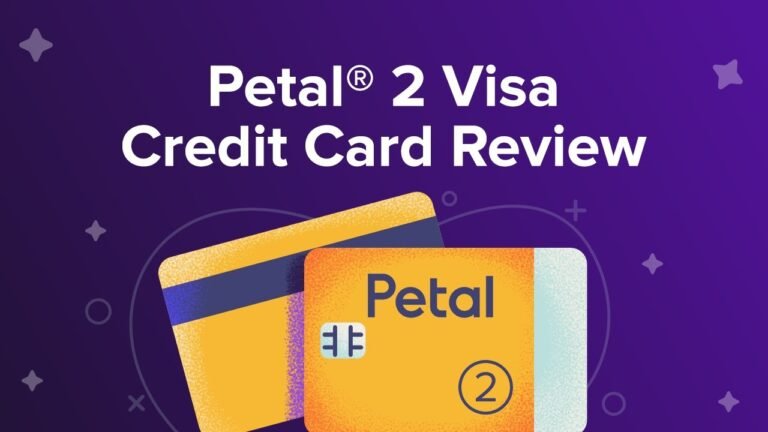
The Petal Credit Card, offered by Petal, represents a significant shift in the consumer lending landscape. Designed specifically to serve individuals with no credit history, limited credit, or fair credit, Petal utilizes innovative technology to evaluate creditworthiness beyond the traditional FICO score. This extensive review covers the key data, advantages, and vital information consumers need to know about the Petal product lineup (primarily the Petal 1 and Petal 2 cards).
I. The Core Innovation: The «Cash Score»
The most relevant and unique feature of Petal is its proprietary underwriting process, which aims to increase financial inclusion.
1. Moving Beyond the FICO Score
Traditional lenders rely almost exclusively on established credit scores (FICO or VantageScore). Petal, in contrast, pioneered the use of a proprietary metric called the «Cash Score.»
- Verifiable Data: The Cash Score is generated by analyzing an applicant’s banking history—with their explicit permission—to assess financial health markers that traditional bureaus often miss. This process involves securely linking bank accounts (often via services like Plaid) to analyze:
- Income and savings patterns.
- Regular bill payments (e.g., rent, utilities, insurance).
- Overall spending habits and cash flow consistency.
- Relevance: This method allows Petal to extend credit to what are often called «credit invisibles»—people who have a good financial track record but lack the established credit history required for approval by major banks.
2. Credit Reporting
Petal is a legitimate credit-building tool. It reports card activity, including payment history and utilization, to all three major credit bureaus (Experian, Equifax, and TransUnion). Responsible use of the card is therefore crucial for establishing or improving one’s credit profile.
II. Product Breakdown: Petal 1 vs. Petal 2
Petal typically offers a range of products, with the Petal 2 being the flagship, «no fees» card. Applicants are usually considered for all options based on their credit profile and Cash Score.
| Feature | Petal 2 «Cash Back, No Fees» Visa | Petal 1 Visa (Standard) |
| Annual Fee | $0 | $0 (Note: Some older versions or lower-tier Petal 1 Rise options may have an annual fee.) |
| Fees Charged | None. No late fees, no foreign transaction fees, no return payment fees. | Possible Fees. Typically charges late payment and returned payment fees. |
| Standard Cash Back | 1% – 1.5% on all eligible purchases. | None on general purchases (only through merchant perks). |
| APR Range (Variable) | Tends to be lower than Petal 1. (e.g., 18.24% – 32.24%) | Tends to be higher, reflecting increased risk. (e.g., 25.24% – 34.74%) |
| Credit Limits | $300 up to $10,000 | $300 up to $5,000 |
III. Key Advantages and Consumer Benefits (Verifiable Facts)
The Petal cards offer several benefits that distinguish them from typical secured or starter cards:
1. No Security Deposit Required
Unlike many credit-building cards, Petal cards are unsecured. This is a major financial advantage, as the cardholder does not need to put down hundreds of dollars (which serves as collateral) just to open the account.
2. Attractive Cash Back Rewards (Petal 2)
The Petal 2 offers a strong rewards program for a credit-building card:
- Starting Rate: Cardholders earn 1% cash back on all eligible purchases immediately.
- Rewards Boost: The rate can increase to 1.25% and ultimately 1.5% after making a specific number of consecutive on-time monthly payments (often 6 and 12 on-time payments). This actively incentivizes responsible financial behavior.
3. Fee-Free Experience (Petal 2)
The absence of all standard fees (annual fee, late fee, foreign transaction fee) on the Petal 2 card makes it one of the most consumer-friendly starter cards on the market, reducing the risk of accidental debt accumulation from penalty fees.
4. High Potential Credit Limits
While starting limits can be as low as $300, Petal’s unique underwriting model allows some applicants to qualify for initial limits up to $10,000 (on the Petal 2). This higher potential limit is significant, as it can immediately help maintain a low credit utilization ratio, which is beneficial for the credit score.
5. Transparency and Digital Tools
Petal offers excellent digital tools designed for financial literacy:
- «Credit Checkup»: The mobile app provides clear, easy-to-understand explanations of how interest is calculated and how specific spending habits affect a user’s credit profile.
- Pre-Approval Check: Applicants can check their pre-approval odds within minutes without triggering a hard credit inquiry, which prevents damage to their credit score.
IV. Crucial Information and Strategic Suggestions
1. Warning Regarding the APR
Despite the «no fees» promise on the Petal 2, both Petal cards carry high variable APRs, which is standard for credit-building products.
- Suggestion: These cards are designed for building credit history, not for carrying large debt. To maximize benefits, cardholders should always adhere to the «golden rule» of credit: pay the full statement balance every month before the due date to avoid accruing any interest charges.
2. The Bank Link Requirement
To benefit from the Cash Score analysis, applicants are required to securely link their primary bank account. While this is done through secure, encrypted services like Plaid and is reported as safe, some consumers may have privacy concerns about sharing access to their banking data. Applicants must weigh the benefit of approval against their comfort level regarding data sharing.
3. Ideal User Profile
The Petal Card is best suited for:
- Students or Young Adults: Who have little to no credit history.
- Immigrants: Who have credit history in another country but are «credit invisible» in the U.S.
- Individuals Rebuilding Credit: Who need an unsecured card that reports to all three bureaus and does not require a security deposit.
In summary, the Petal Credit Card series has successfully established itself as a leading choice for the modern credit builder, leveraging technology to offer favorable terms and rewards where traditional banks previously offered few options.