

Your credit score is arguably the single most important number defining your financial opportunity in modern life. It is more than just a metric; it is a numerical assessment of your financial reliability, acting as a gatekeeper to affordable loans, favourable insurance rates, apartment rentals, and even certain employment opportunities. For anyone navigating the complex world of finance, understanding what the credit score is, how it is calculated, and where to access it is not just beneficial—it is essential.
This comprehensive guide breaks down the fundamentals of the credit score, its components, and actionable steps you can take to manage and improve it.
Part I: What Exactly Is a Credit Score?
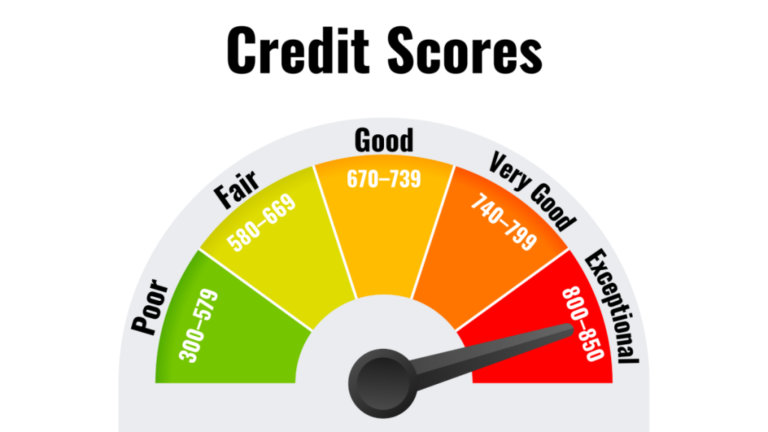
A credit score is a three-digit number, typically ranging from 300 to 850 (the range used by the dominant FICO Score model), that predicts your likelihood of repaying debt on time. It is a mathematical summary of the information contained within your credit report.
The Two Major Players: FICO and VantageScore
While most people refer to their single «credit score,» the reality is that you have many. The two most widely used scoring models are:
- FICO Score: Created by the Fair Isaac Corporation, the FICO Score is the industry standard and is used in over 90% of lending decisions in the United States.
- VantageScore: A competing model developed by the three major credit bureaus (Equifax, Experian, and TransUnion). It is also commonly used by third-party credit monitoring services.
Key Insight: Because these models draw data from different credit reports and use slightly different weighting formulas, your score will vary depending on the model and the bureau reporting it.
The Role of the Credit Report
The credit score is derived entirely from the data compiled by the three major U.S. consumer credit reporting agencies (CRAs), often called the «Big Three»:
Your credit report is a detailed history of your borrowing and repayment behaviour. It includes personal identifying information, a list of all your credit accounts (credit cards, loans, mortgages), payment status, and any public records (like bankruptcies or collections).
Part II: The Five Pillars of Your Credit Score Calculation
The FICO model assigns a specific weight to five core factors. Understanding these weights is the roadmap to optimizing your financial health:
| Factor | Weight (Approximate) | Explanation |
| 1. Payment History | 35% | This is the single most important factor. It records whether you have paid your bills on time, every time. Late payments (30, 60, or 90+ days late) severely damage your score. |
| 2. Amounts Owed / Credit Utilization | 30% | This measures the ratio of your outstanding credit card balances to your total available credit limits (your Credit Utilization Ratio, or CUR). The goal is to keep this ratio below 30%, with the best scores achieved when it is below 10%. |
| 3. Length of Credit History | 15% | This evaluates how long your oldest account has been open and the average age of all your accounts. Generally, the longer your history, the more stable you appear to lenders. |
| 4. New Credit | 10% | This factor looks at how many new accounts you have recently opened and the number of Hard Inquiries on your report. Opening too many accounts in a short period signals higher risk. |
| 5. Credit Mix | 10% | This assesses whether you have a healthy mix of credit types, such as revolving credit (credit cards) and installment loans (mortgages, auto loans). |
Part III: The Importance of Your Score
A strong credit score (typically defined as 670 and above) translates directly into tangible financial benefits:
- Lower Interest Rates (APR): Lenders offer their best rates on mortgages, auto loans, and personal loans to consumers with excellent credit scores (740+). A difference of even 1% on a 30-year mortgage can save tens of thousands of dollars.
- Loan Approval: A high score significantly increases your likelihood of being approved for any credit product you apply for.
- Favorable Terms: Beyond the interest rate, a good score often secures lower insurance premiums, better rental terms, and higher credit limits.
- Avoidance of Deposits: Landlords and utility companies often check credit. A high score means you are less likely to be required to pay large security deposits to start services.
Part IV: Where to Find Your Credit Score and Report (For Free)
Monitoring your credit is the first step toward improving it. Fortunately, there are several ways to access this vital information at no cost.
Accessing Your Credit Report (The Data Behind the Score)
The credit report contains the raw data used to generate your score, and reviewing it regularly is crucial for spotting errors.
- The Federal Mandate: By U.S. federal law, you are entitled to one free copy of your credit report from each of the three major credit bureaus (Equifax, Experian, and TransUnion) every 12 months.
- The Official Source: The only official, government-authorized website to obtain all three free annual reports is:
- Recommendation: Many financial experts suggest staggering your requests (e.g., getting one report every four months) to monitor your credit activity throughout the year without cost.
Accessing Your Credit Score (The Three-Digit Number)
While you must sometimes pay for the official FICO Score, many banks and services now provide a score for free:
- Credit Card Companies: Many major banks (e.g., Chase, Discover, Bank of America) offer a free monthly FICO Score or VantageScore to their cardholders directly through their online banking portals or mobile apps.
- Credit Monitoring Services: Websites and apps like Credit Karma (VantageScore), Credit Sesame, and Experian (FICO Score) offer free access to one or more of your scores, often updated weekly.
- Direct from the Bureaus: All three major bureaus (Equifax, Experian, TransUnion) now offer services that provide a free credit score, often in exchange for creating a free account.
Crucial Note on Inquiries: Checking your own credit score or report through any of the methods listed above is considered a Soft Inquiry and will not hurt your credit score. A Hard Inquiry only occurs when a lender checks your credit when you are applying for new credit (e.g., a mortgage or car loan), and these may cause a small, temporary dip in your score.
Part V: Actionable Steps to Improve Your Credit Score
Improving your score requires consistent, disciplined behaviour focused on the five key factors:
- Prioritize Payment History (35%):
- Always Pay On Time: Set up auto-pay or calendar reminders. A single late payment can cause a significant score drop.
- Pay the Minimum: Always ensure you pay at least the minimum amount due, even if you can’t pay the full balance.
- Reduce Utilization (30%):
- Pay Down Debt: Focus on paying down your credit card balances.
- Maintain the 30% Rule: Keep your total credit card balances below 30% of your total credit limit. For excellent scores, aim for under 10%.
- Manage Credit Length (15%):
- Don’t Close Old Accounts: Resist the urge to close old, unused credit card accounts. Doing so reduces your total available credit (increasing your utilization) and lowers the average age of your history.
- Limit New Applications (10%):
- Be Strategic: Only apply for credit when absolutely necessary. Limit hard inquiries by shopping around for rates without submitting full applications.
- Fix Errors on Your Report:
- Regularly check your credit reports from all three bureaus for inaccuracies (e.g., accounts you never opened, incorrect late payment reports). If you find an error, dispute it immediately with the credit bureau. Errors are common and can unnecessarily depress your score.
By actively engaging with your credit score and reports, you take proactive control of your financial health, ensuring you are positioned to seize every opportunity life presents.